The Jars of Clay Foundation does not just fund projects; we facilitate movement. Our approach to church planting is rooted in the Great Commission, focusing on areas where the Reformed witness is most needed.
ARPC Church Plants
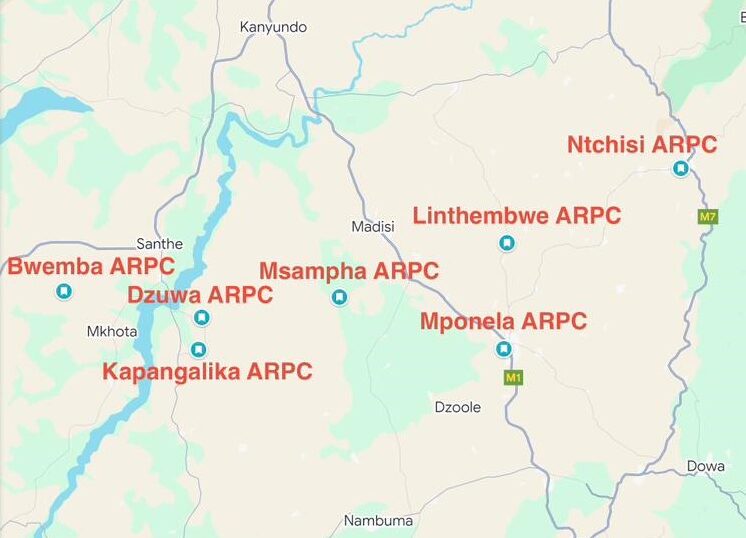
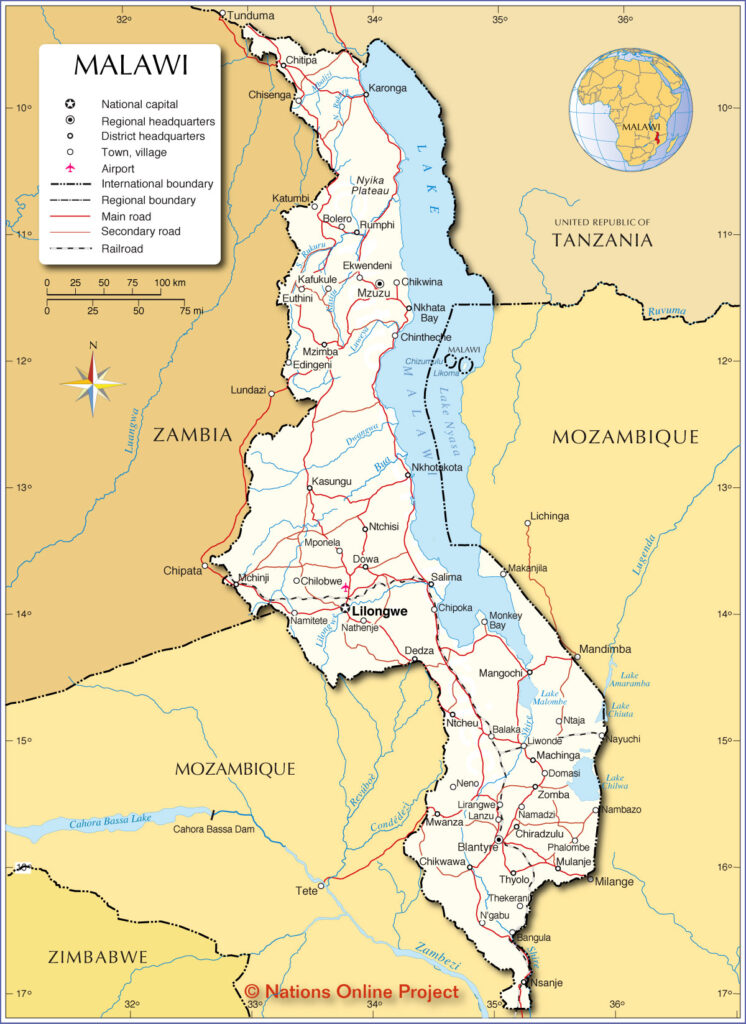
The Associated Reformed Presbyterian Church (ARPC) Malawi Churches are located in central Malawi, north of the capital, Lilongwe. There are currently seven churches divided into two presbyteries. The Dzuwa presbytery includes the churches at Dzuwa, Kapangalika, and Bwemba. The Mponela presbytery includes the Mponela, Ntchisi, Linthembwe, and Msambha, churches.
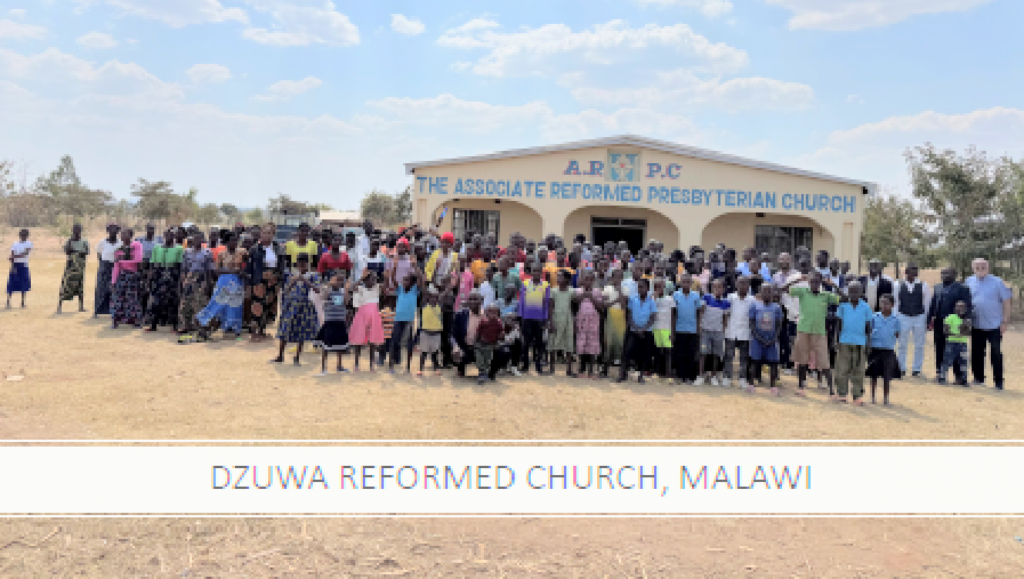
Dzuwa Church
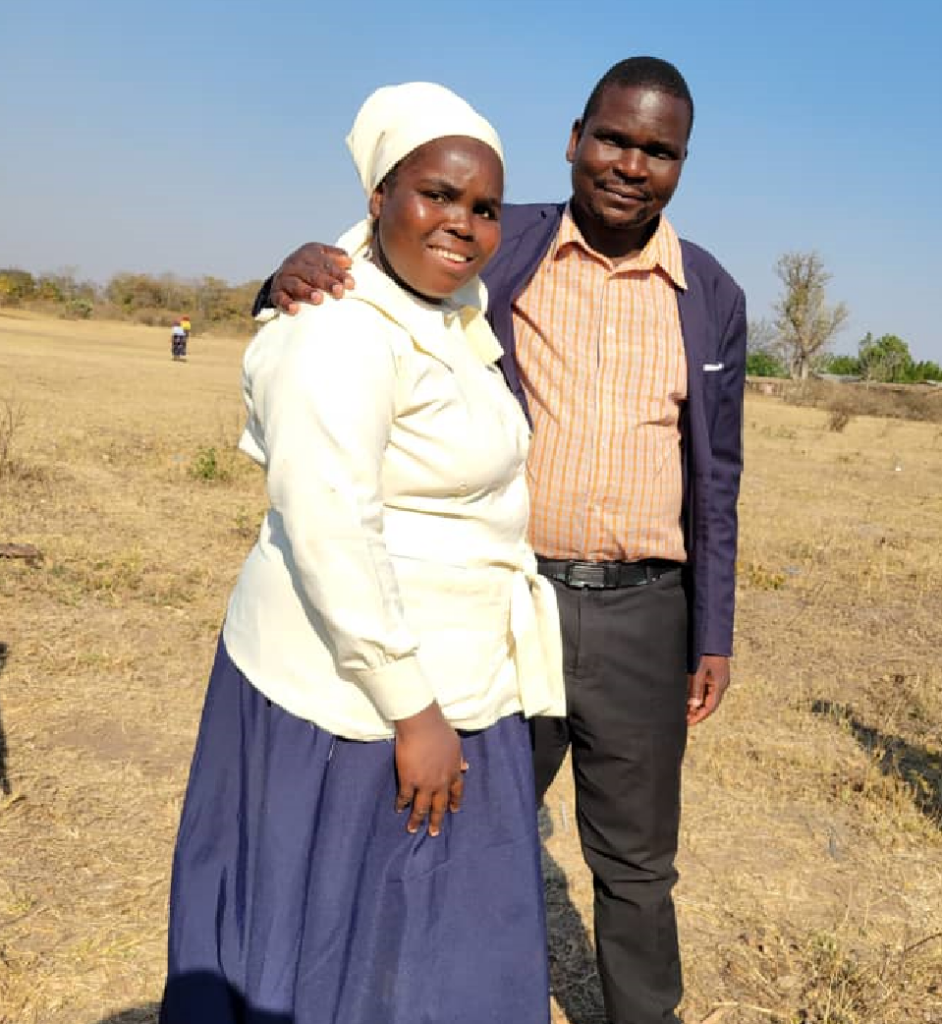
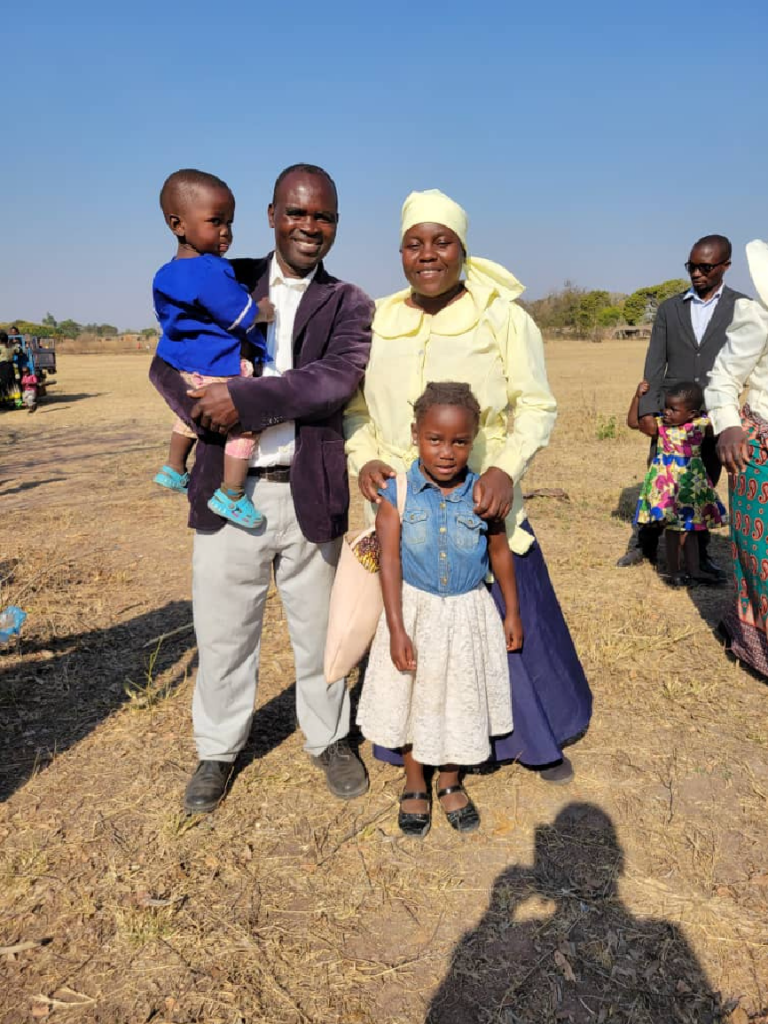
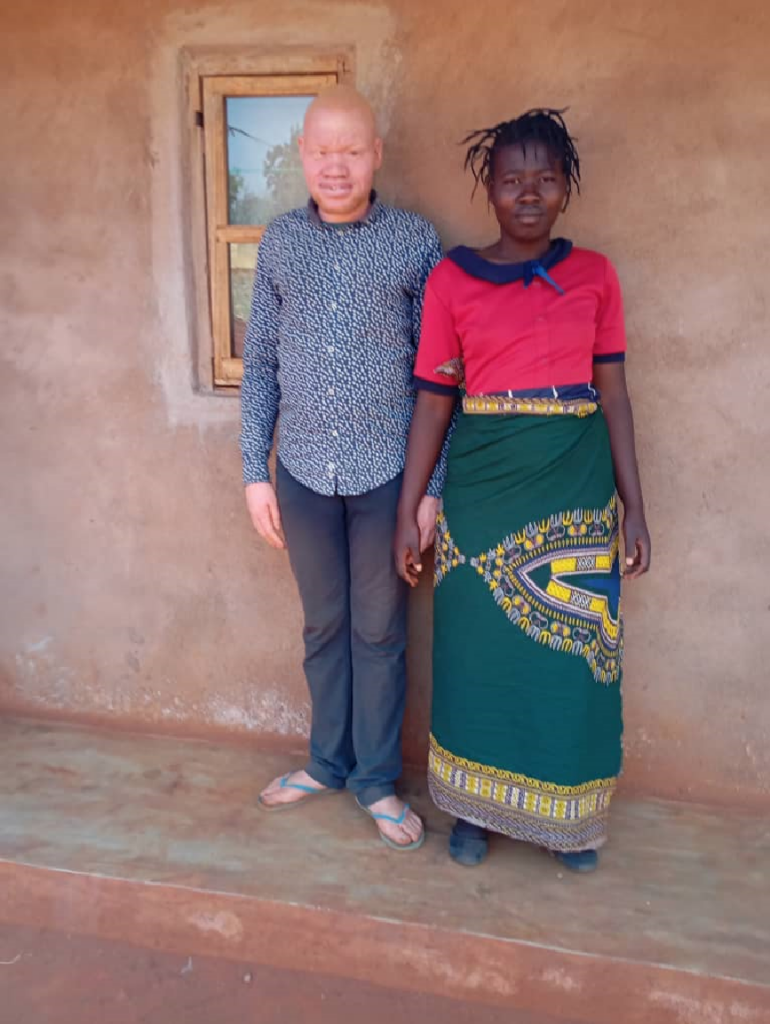
Pastor Wilicks Laston and wife Ruth Chandire
Dzuwa is a small rural community in the central region of Malawi. It lies north of the capital city Lilongwe and within the agricultural belt surrounding Dowa District.
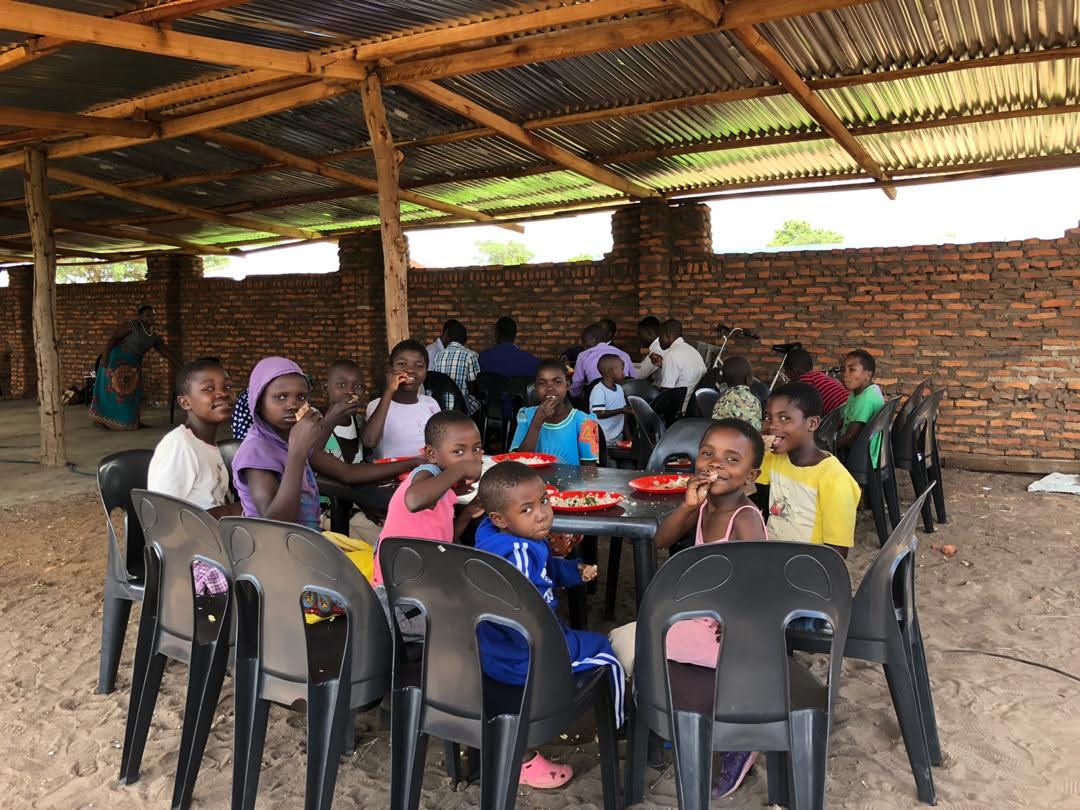
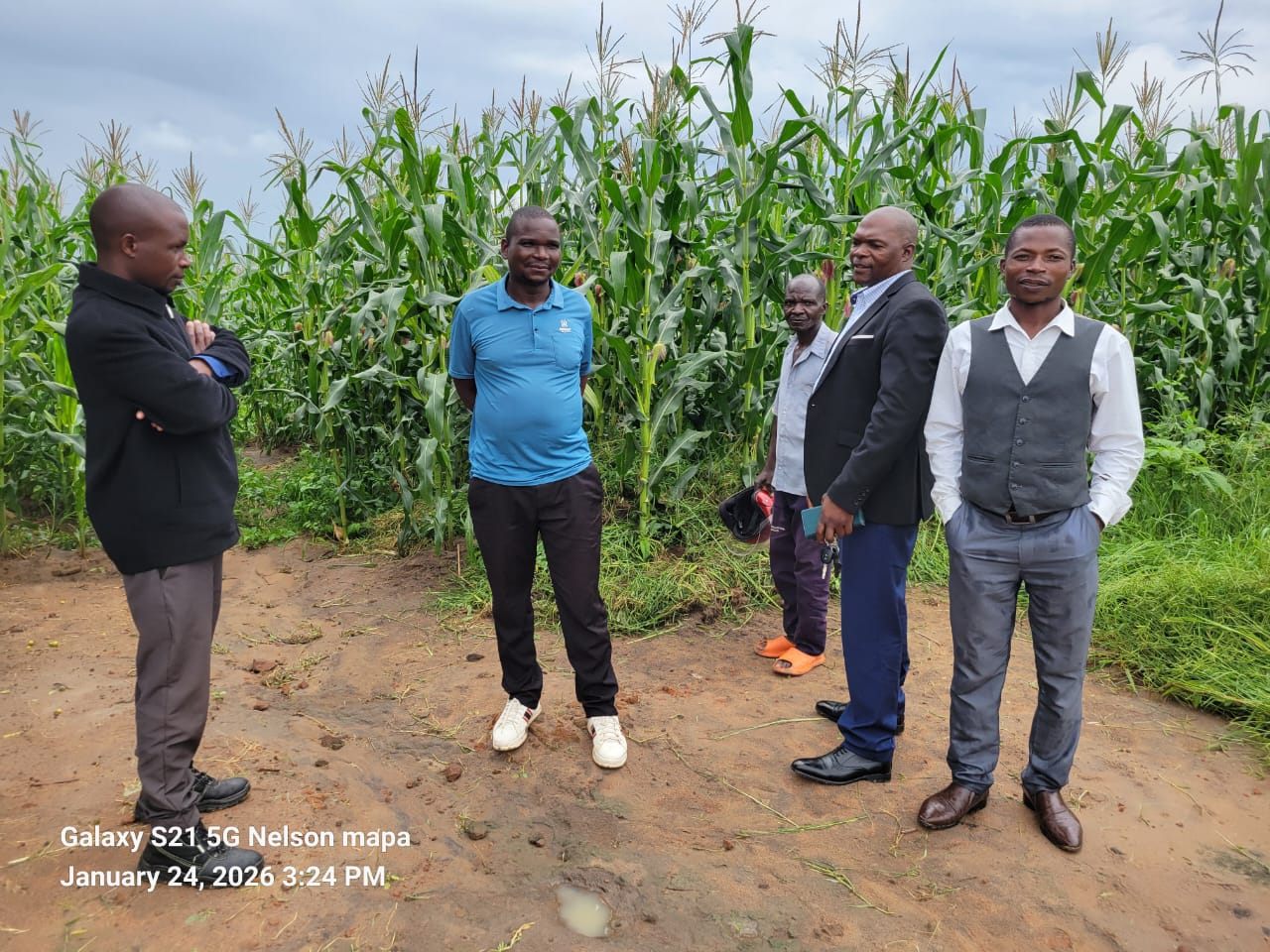
The area is characterized by rolling farmland, small villages, and subsistence agriculture. Communities here rely primarily on maize, groundnuts, vegetables, and small livestock for both food and income. Churches play a central role in community life, often serving as gathering places for worship, education, and community initiatives.
The name “Dzuwa” comes from the Chichewa language and means “sun.”
Kapangalika Church
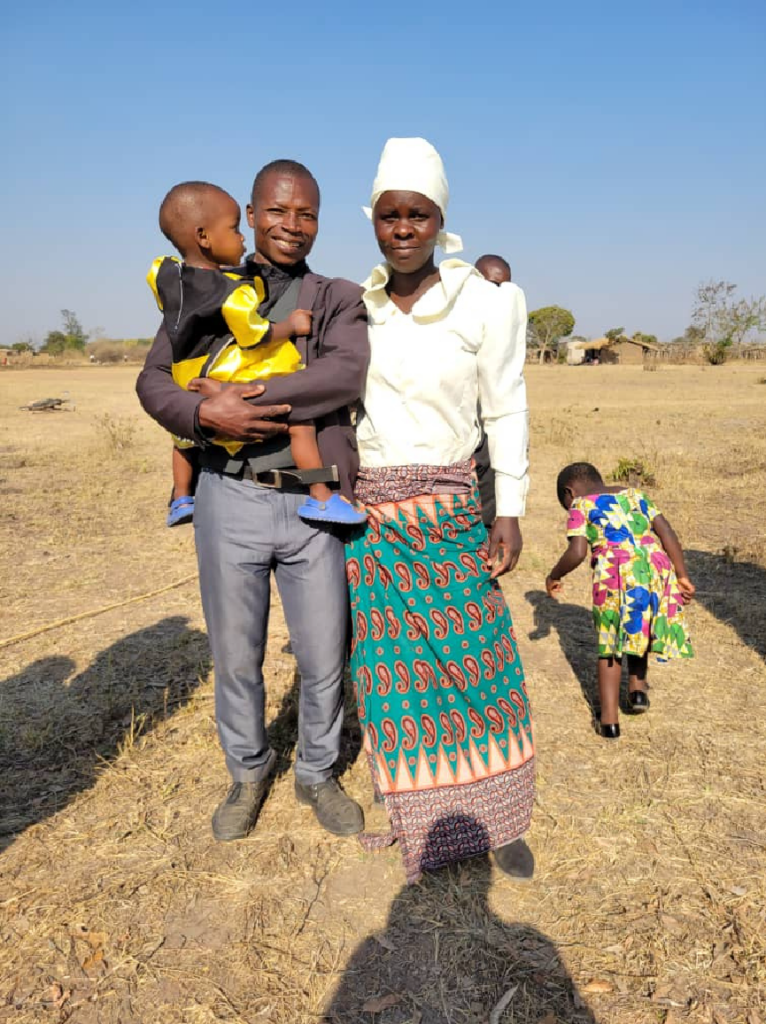
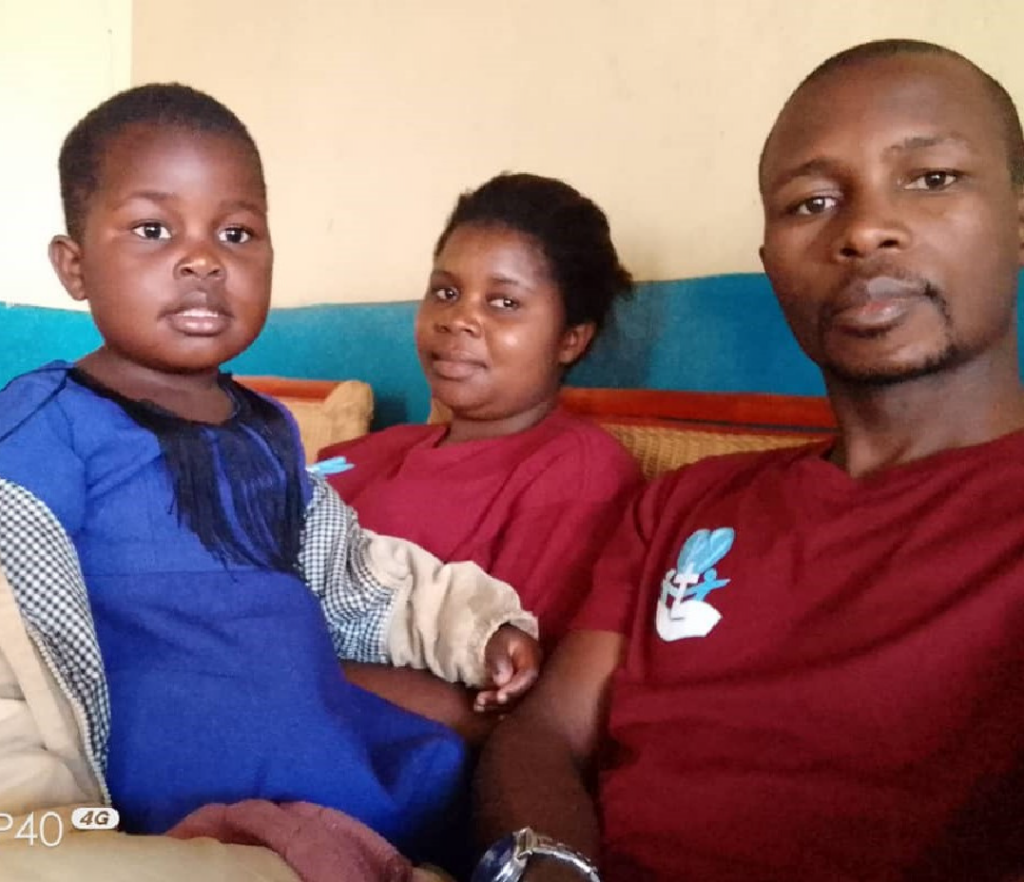
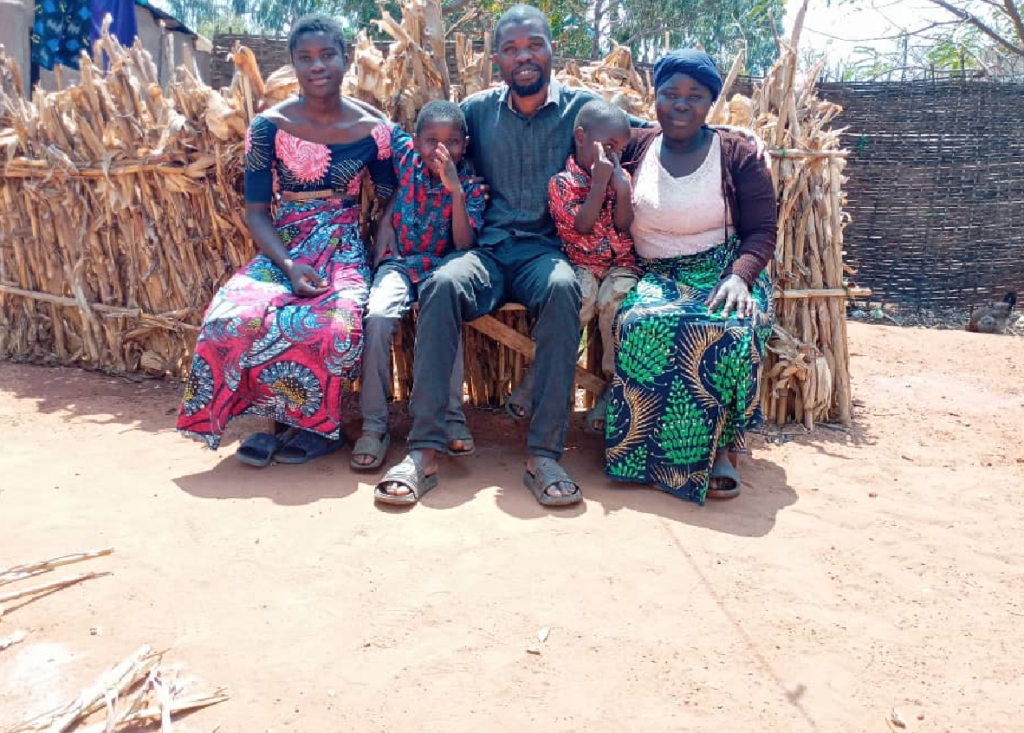
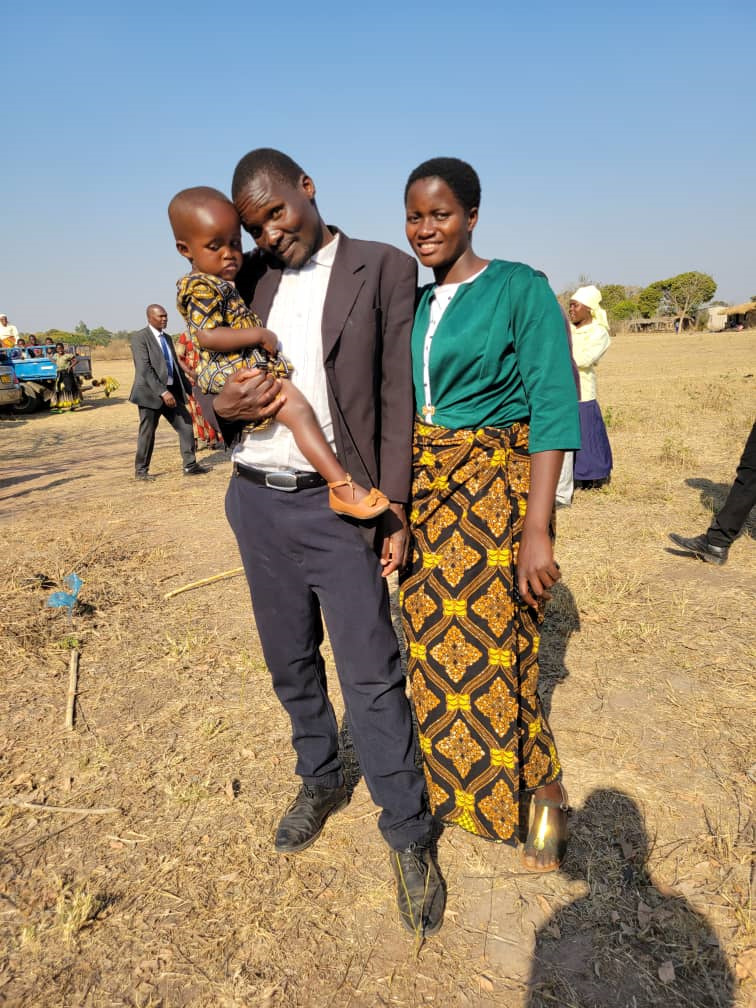
Pastor Joseph Jamu, wife Mai busa Chimwemwe Chimbalu, and family
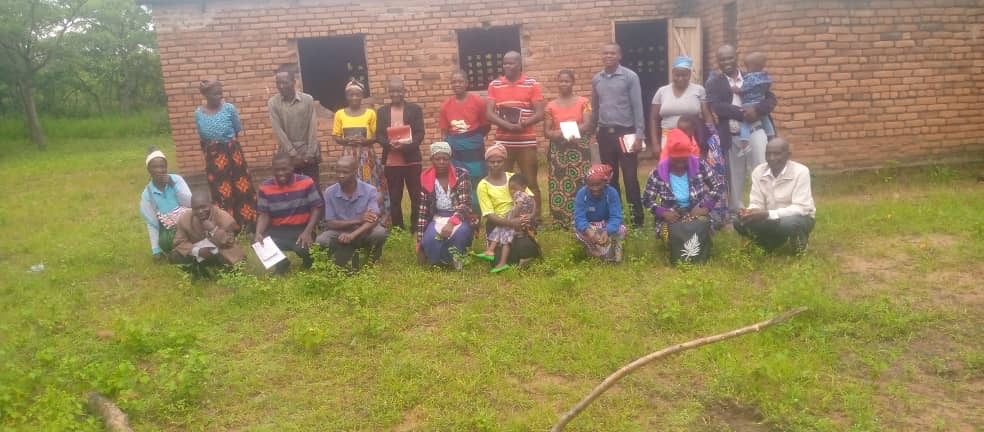
Kapangalika church
Kapangalika is a small rural village in the central region of Malawi, located within the broader ministry area that includes Dowa District and the market town of Mponela.
The village lies within the same rural corridor as Dzuwa, north of Lilongwe. Communities in this area are typically connected by small dirt roads linking villages to nearby trading centers where farmers sell crops and purchase supplies.
Kapangalika is representative of many villages in central Malawi. Typical features include:
Smallholder farms surrounding the village
Mud-brick homes with thatched or metal roofs
Extended family compounds
Footpaths and dirt roads connecting homes and fields
A central church or gathering place
Most households rely on subsistence agriculture, growing crops such as: maize (the staple food in Malawi), groundnuts (peanuts), beans, vegetables, and occasionally tobacco or sunflower for cash income.
Bwemba Church
Bwemba is a rural village in the central region of Malawi, within the agricultural corridor north of Lilongwe. It lies in the same ministry region as Mponela and villages such as Dzuwa and Kapangalika in or near Dowa District.
The area is characterized by gently rolling farmland, scattered villages, and seasonal streams. Dirt roads connect the community to nearby trading centers where crops and supplies are exchanged.
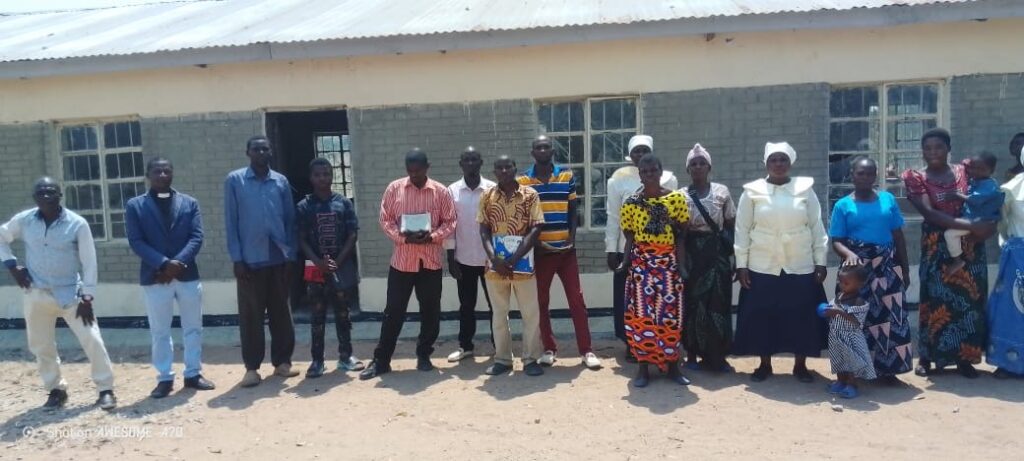
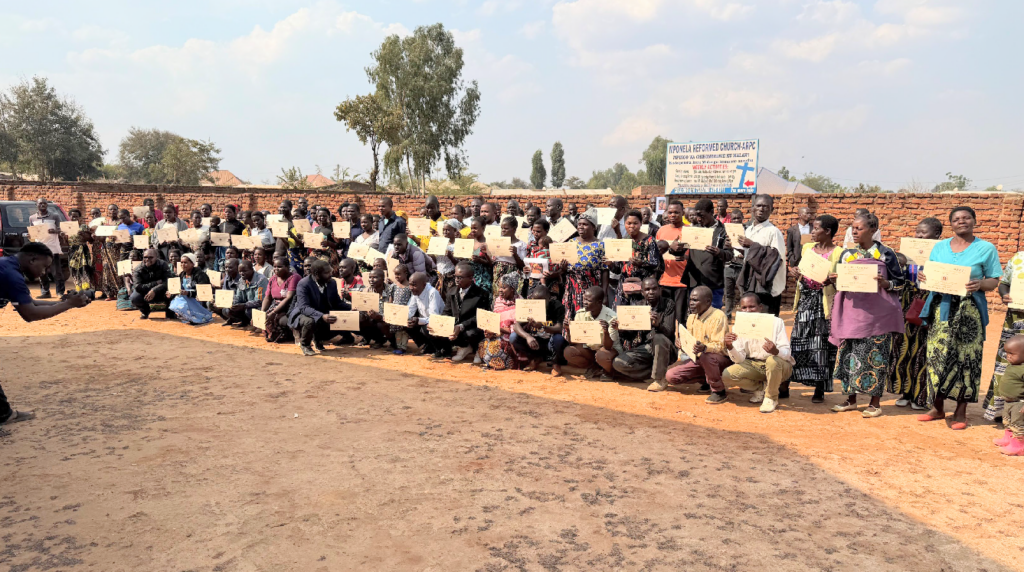
Bwemba Church
Pastor Davison Lawe, wife Ellen, and family
Mponela Church
Pastor Noel Chatata, wife Dorika and family
Mponela Church
Mponela is a busy market town in the central region of Malawi. It is located in Dowa District along the M1 highway, the main north–south road connecting the capital Lilongwe with northern Malawi.
Distance from Lilongwe is roughly 45–50 km (28–31 miles) by road, making Mponela an important transport and commercial stop between rural districts and the capital.
Unlike the surrounding villages, Mponela is a trading center where farmers from nearby villages bring produce and livestock to sell. The town serves as a hub for:
agricultural markets
transportation connections
shops and small businesses
banking and basic government services
The main road running through the town is typically lined with:
open-air produce markets
small retail shops
bicycle and motorcycle taxis
minibuses transporting passengers between towns
This makes Mponela one of the most active local commercial centers in the Dowa region.
Ntchisi Church
Ntchisi is a town in central Malawi approximately 49 miles north of the capital city, Lilongwe. It serves as the administrative capital of the Ntchisi District. The town has a population of over 10,000 and the surrounding Ntchisi District has a population of roughly 317,000 people over an area of approximately 1,655 sq kilometers. Most people in the area depend on subsistence agriculture.
Pastor Grant Chikamveka and wife Treazer Banda
Ntchisi Church
Co-Pastor Adison Bwanamail and wife Madelesi Chibumba
Linthembwe Church
Pastor Diston Chikhoswe
Linthembwe is a small agricultural community typical of villages throughout central Malawi. The settlement consists of clusters of family compounds connected by footpaths and small dirt roads.
Common features include: mud-brick houses with thatched or metal roofs, family gardens and small crop fields, communal wells or water points, footpaths linking homes, farms, and neighboring villages, and church building that serves as a gathering place for the community. Agriculture is the primary livelihood for most families.
Msampha Church
Pastor Noah JJ Sabuni, wife Stella Manda, and family
Msampha is a small rural village in the central region of Malawi. It lies within the broader ministry area north of Lilongwe and is associated with communities in Ntchisi District and the nearby trading center of Mponela.
The surrounding terrain consists of rolling farmland and scattered villages typical of the central Malawi plateau.
Our Three-Fold Approach
Direct Planting
We identify high-need areas and provide the initial resources—bibles, temporary structures, and pastoral support—to launch a new congregation.
Facilitative Support
We assist existing ARPC congregations in “birthing” daughter churches by providing logistical and training support for their outreach teams.
Community Mapping
We conduct research to ensure that new plants are strategically located where they can serve as a hub for both spiritual growth and entrepreneurial development.
About Malawi
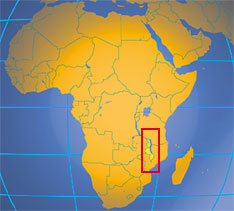
These maps provide a simple geographic overview of the ministry context in Malawi. The first map shows where Malawi is located within Africa. The second gives a closer view of Malawi and its surrounding countries. The third highlights the ARPC churches supported by Jars of Clay Foundation – Malawi, showing the specific congregations and areas where the foundation’s work is centered.